
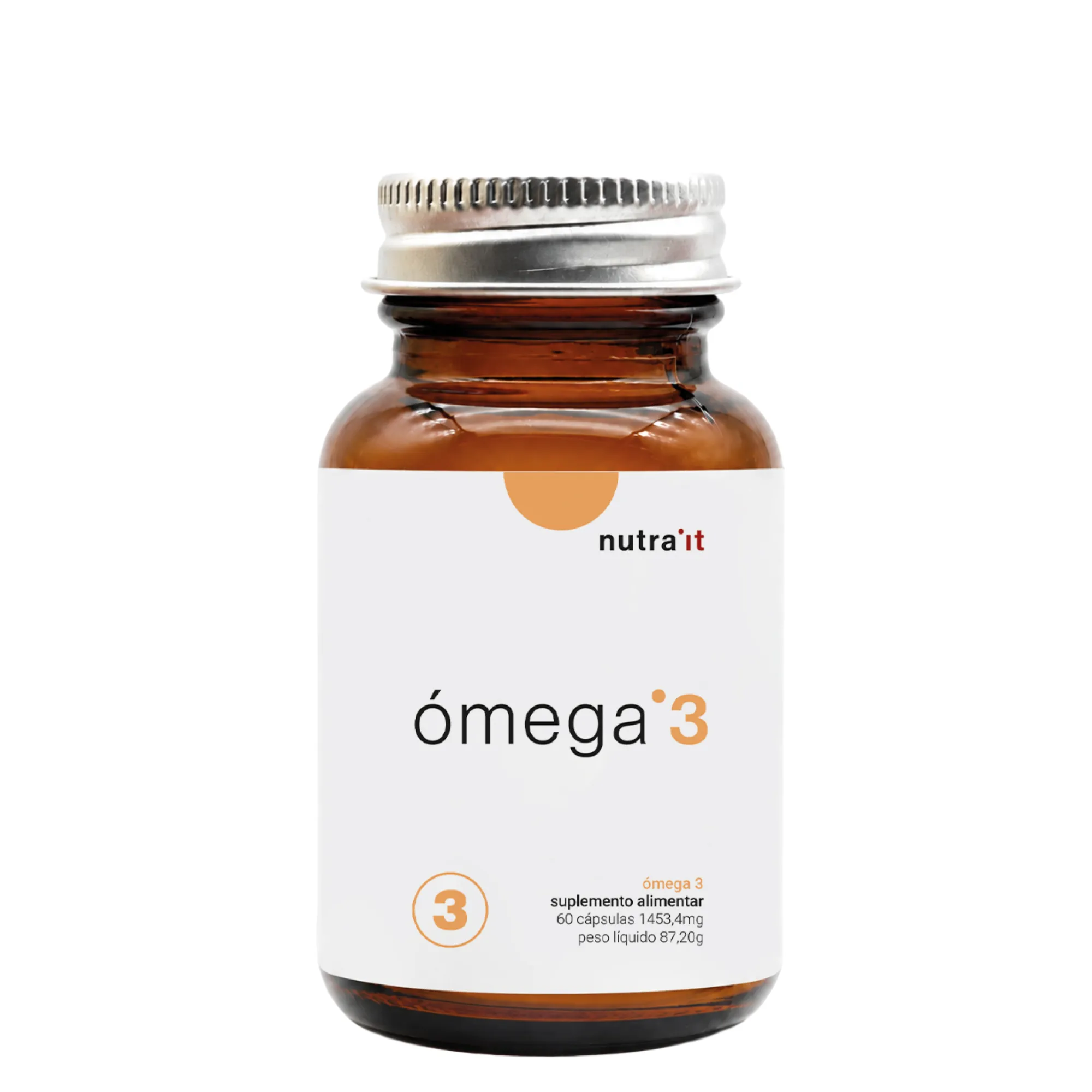
Ómega-3 Support for Inflammatory Balance
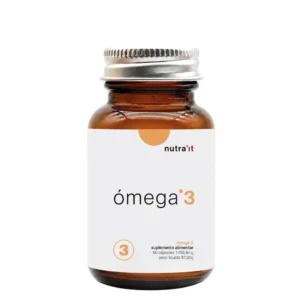
Ómega-3 Support for Inflammatory Balance is a food supplement formulated to provide essential omega-3 fatty acids, particularly EPA (eicosapentaenoic acid) and DHA (docosahexaenoic acid), alongside vitamin E. These nutrients contribute to several physiological processes associated with cellular function, cardiovascular health and the body’s inflammatory response.
In addition, vitamin E provides antioxidant protection, helping protect cells against oxidative stress. Consequently, Ómega-3 can complement a balanced nutritional approach focused on general wellbeing, skin health and healthy ageing.
What is Ómega-3 used for?
Ómega-3 Support for Inflammatory Balance fatty acids are important components of cell membranes and participate in several physiological processes. In particular, EPA and DHA are involved in the regulation of inflammatory responses and contribute to normal cardiovascular function.
More specifically, omega-3 fatty acids may be relevant to:
- Cellular integrity: EPA and DHA contribute to the structure and function of cell membranes.
- Inflammatory balance: these fatty acids participate in pathways involved in the body’s normal inflammatory response.
- Cardiovascular health: EPA and DHA contribute to normal heart function when the combined daily intake reaches at least 250 mg.
- Skin health: omega-3 fatty acids are relevant to normal cellular processes that help maintain skin function.
- Healthy ageing: their role in cellular function and cardiovascular health makes them valuable nutrients within a balanced diet.
Furthermore, vitamin E complements the formula by contributing to the protection of cells from oxidative stress. However, the specific benefits depend on the amount of EPA, DHA and vitamin E provided per daily dose.
Main ingredients
Omega-3 fatty acids – EPA and DHA
EPA and DHA are long-chain omega-3 polyunsaturated fatty acids. They are found naturally in oily fish and certain marine sources, and they play important roles in normal physiological function.
First, these fatty acids form part of cell membranes. In addition, they participate in the production of signalling molecules involved in the body’s inflammatory response.
Consequently, omega-3 fatty acids can be valuable components of a balanced nutritional routine. Nevertheless, these authorised nutritional benefits should not be interpreted as evidence that the supplement treats inflammatory skin conditions, hair loss or circulatory disorders.
Vitamin E – Antioxidant protection
Vitamin E is an antioxidant vitamin that helps protect cells against oxidative stress.
Moreover, it complements omega-3 fatty acids within the formula by supporting the protection of cellular components from oxidative damage. This is particularly relevant because polyunsaturated fatty acids are susceptible to oxidation.
Together, EPA, DHA and vitamin E provide complementary nutritional support for cellular function and general wellbeing.
Who is Ómega-3 Support for Inflammatory Balance recommended for?
Ómega-3 may be suitable for adults who want to complement their dietary intake of omega-3 fatty acids and vitamin E.
In particular, it may be considered by people who:
- Have a low dietary intake of oily fish or other omega-3 sources.
- Want to support normal cardiovascular function.
- Are interested in maintaining normal cellular function as part of healthy ageing.
- Wish to complement a broader nutritional or nutricosmetic routine.
In addition, it may be incorporated into a wider approach to skin and hair health. However, it should not be considered a standalone treatment for skin inflammation, hair loss or circulatory problems. Persistent symptoms warrant assessment by a qualified healthcare professional.
How to take Ómega-3
The product contains 60 capsules.
Take 2 capsules per day, preferably:
- 1 capsule at breakfast
- 1 capsule at dinner
For best practice, follow the product label and avoid exceeding the recommended daily intake. Furthermore, check the amount of EPA and DHA per daily serving to understand how the product contributes to your nutritional needs.
People taking anticoagulant medication, those with bleeding disorders or anyone preparing for surgery should consult a healthcare professional before using omega-3 supplements. If you have a fish or seafood allergy, also verify the product’s source and full ingredient information.
How to complement Ómega-3 with your skincare and wellness routine
Ómega-3 can be incorporated into a broader routine focused on skin health and general wellbeing.
First, maintain a balanced diet that includes suitable sources of healthy fats, vegetables, fruit and protein. In addition, regular physical activity, adequate sleep and appropriate hydration contribute to overall health.
For skincare, use a gentle cleanser and moisturiser suited to your skin type. If your concerns include dryness or sensitivity, prioritise products that support skin hydration and barrier function.
Furthermore, daily broad-spectrum sunscreen helps protect the skin against UV-related damage and visible signs of ageing. Although omega-3 supplementation may complement a skin-health routine, it does not replace topical skincare, sun protection or professional advice when needed.
Why choose Ómega-3 Support for Inflammatory Balance?
Ómega-3 Support for Inflammatory Balance combines EPA, DHA and vitamin E in a convenient daily supplement. On the one hand, EPA and DHA participate in normal cellular processes and contribute to normal heart function at sufficient daily intakes. On the other hand, vitamin E helps protect cells against oxidative stress.
As a result, this combination can complement a balanced diet and a broader wellness routine. However, the expected nutritional contribution depends on the formula’s actual EPA, DHA and vitamin E content, so checking the label is important.
Would you like help incorporating Ómega-3 into your nutricosmetic routine or choosing complementary products? Our team can help you identify suitable options based on your individual needs.
How to take Ómega-3
The product contains 60 capsules. Take 2 capsules per day, preferably:- 1 capsule at breakfast
- 1 capsule at dinner
| Weight | 165 g |
|---|---|
| Dimensions | 9 × 5 × 5 cm |
| GTIN | |
| MPN | NI303 |

Reviews
There are no reviews yet